How to Keep Your Plants Happy and Healthy During Texas Temperature Swings

If you live in Texas, you know our weather has a personality of its own. One day it is 20 degrees and the next it feels like spring at 70. These dramatic temperature swings can be stressful on landscapes if plants are not properly supported. The good news is that with a few smart practices, your plants can stay healthy and resilient no matter what Texas throws their way.

Smart Yard - Tips for taking care of your plantsSmart Yard - Tips for taking care of your plants

1. Focus on Strong Roots First

Healthy plants start underground. When temperatures swing quickly, strong root systems help plants regulate moisture and absorb nutrients more efficiently. Make sure plants are installed correctly, not too deep and not too shallow. Adding compost to planting beds improves soil structure and encourages deeper root growth, which helps plants tolerate both cold snaps and warm days.

2. Water Smart Not More

One of the biggest mistakes during fluctuating weather is overwatering. Cold soil holds moisture longer, and plants use less water when temperatures drop. When warmer days arrive, evaporation increases, but roots may still be sitting in cold soil. Water deeply but less frequently, and adjust irrigation schedules as temperatures change. Check soil moisture before watering instead of relying on a fixed schedule. If the soil is still damp a few inches below the surface, skip watering for the day.
Smart Yard - Tips to avoid over-watering
Smart Yard - Tips for plant depth and longevity

3. Mulch Is Your Best Friend

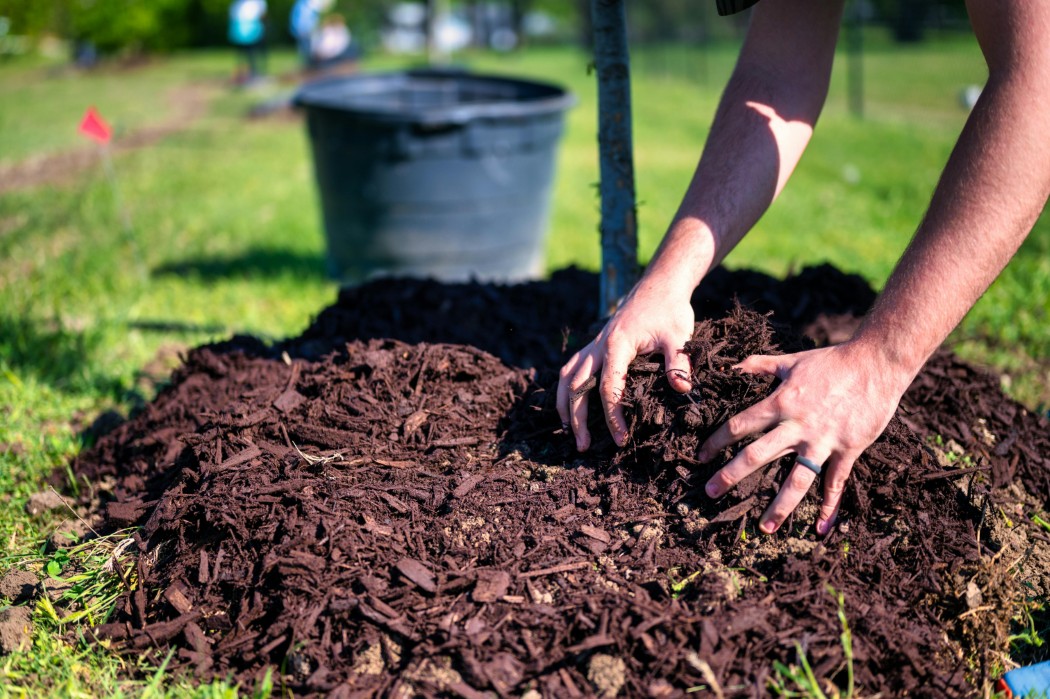
Mulch acts like insulation for your landscape. It helps keep soil temperatures stable, protects roots from sudden cold, and reduces moisture loss during warmer days.

Apply two to three inches of mulch around plants, keeping it slightly pulled back from stems and trunks. Organic mulches such as shredded bark or wood chips are especially helpful because they also improve soil health as they break down.

4. Protect Plants Before Cold Nights

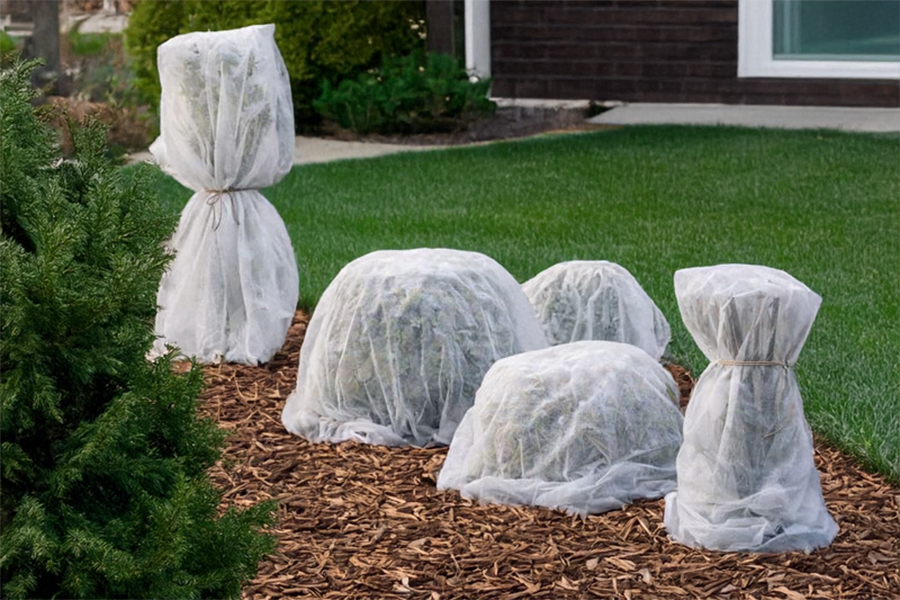
When a warm stretch is followed by a sudden freeze, plants may not have time to harden off. Cover sensitive plants with frost cloth, old sheets, or breathable fabric when temperatures are expected to dip below freezing. Remove covers during the day so plants can breathe and receive sunlight.

Potted plants are especially vulnerable. Move them closer to the house, into a garage, or under a covered patio when cold nights are forecasted.


Smart Yard - Why you shouldn't over-prune your plants and bushes

5. Avoid Pruning During Temperature Swings

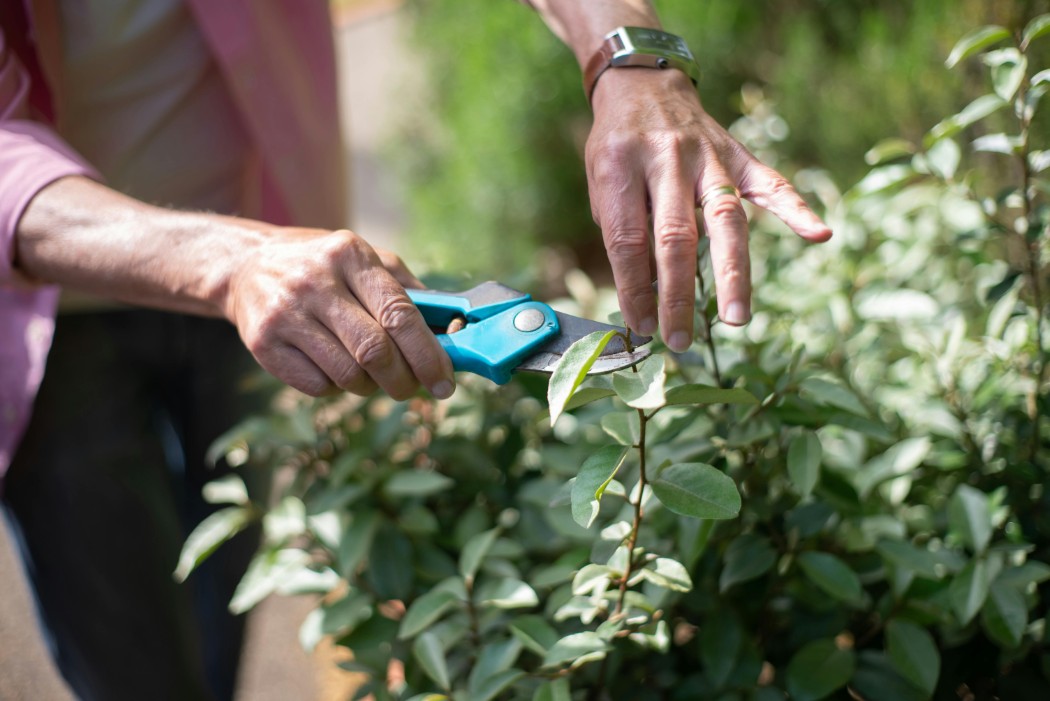
It can be tempting to prune after a warm day, but pruning encourages new growth that is easily damaged by cold temperatures. Hold off on major pruning until weather patterns are more stable. Dead or damaged material can be removed, but wait until late winter or early spring for structural pruning.

6. Choose Plants That Can Handle Texas Extremes

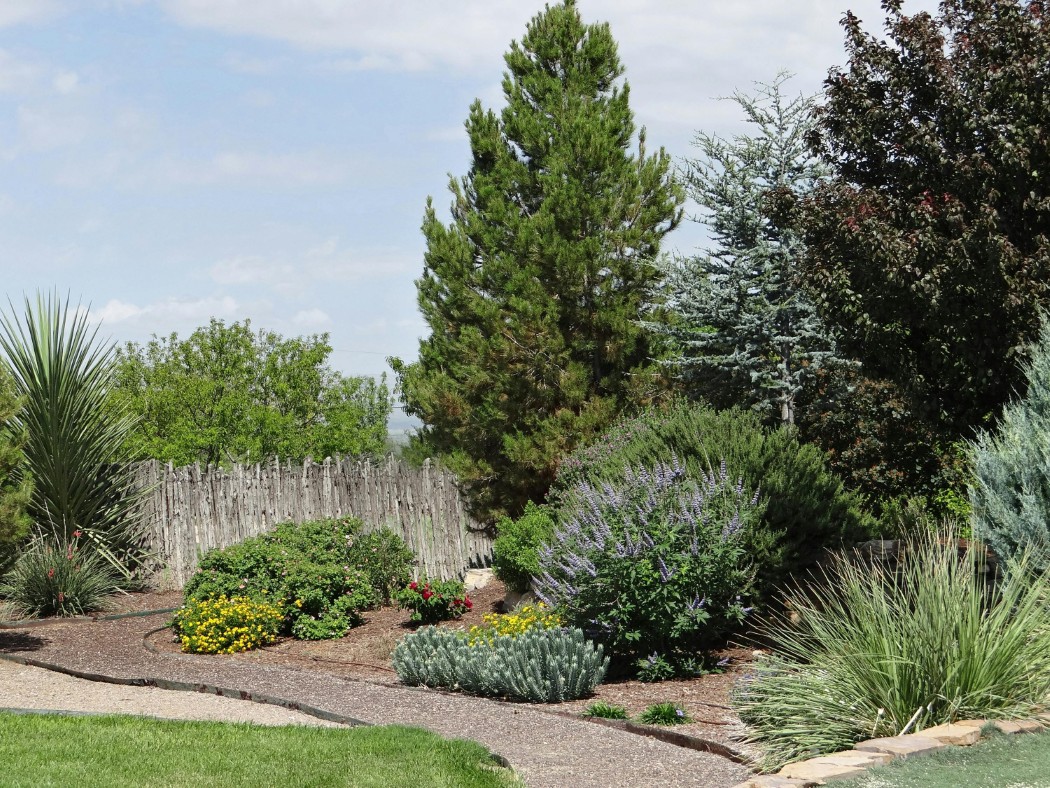
Native and adapted plants are naturally better equipped for unpredictable weather. Texas natives and drought tolerant plants tend to have deeper roots and stronger tolerance to both cold snaps and heat waves. Ornamental grasses, yaupon holly, Texas sage, lantana, and muhly grass are all examples of plants that handle temperature swings with minimal stress.

Smart Yard - How to choose plants for North Texas
Smart Yard - Signs to look for in plants and landscaping

7. Watch for Stress Signals

Plants will tell you when something is wrong. Wilting during warm afternoons, yellowing leaves, or mushy stems after a freeze are signs of stress. Adjust watering, improve drainage, or add protection as needed. Acting early can prevent long term damage.

8. Adjust Irrigation Seasonally

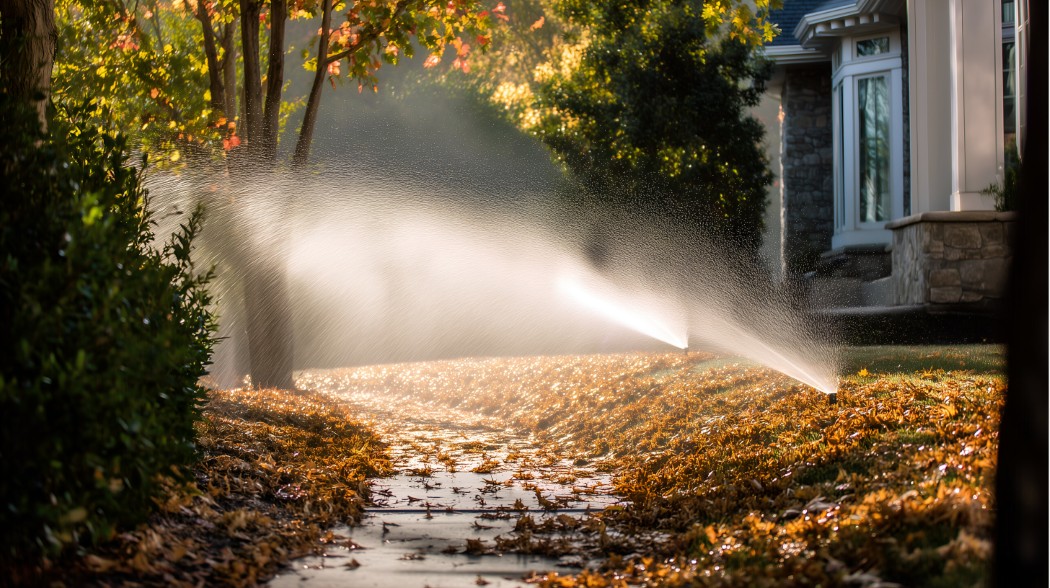
Automatic irrigation systems should not run on the same schedule year round. During winter and early spring, watering needs are much lower. A smart controller or seasonal adjustments can prevent overwatering and root rot during colder periods while still supporting plants when temperatures rise.

Smart Yard - Adjust Irrigation for Seasonal Changes