
Winter to Spring Lawn Care Guide for North Texas Homeowners
As winter fades and warmer days begin to roll into North Texas, your lawn is preparing to transition from dormancy to active growth.
What you do during this short window between winter and spring can determine whether your yard comes back thick, green, and healthy — or thin, patchy, and vulnerable to weeds and pests.
At Smart Yard, we believe a beautiful lawn starts with smart seasonal timing. Here’s how to properly care for your grass as it wakes up for spring.
Understand the Dormant-to-Green Transition
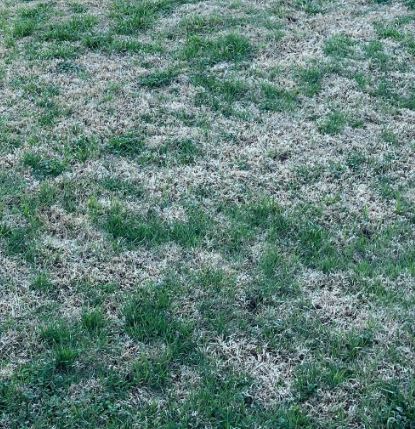
Most North Texas lawns — Bermuda, Zoysia, and St. Augustine — go dormant during winter. Dormant grass turns brown as it conserves energy and protects itself from cold temperatures.
As soil temperatures consistently reach about 55–65 degrees, your lawn begins to wake up. You’ll notice:
Small green shoots at the base
Gradual color change from brown to light green
Increased growth after the first few warm weeks
Important: Avoid heavy fertilizing too early. Feeding dormant grass can cause stress and encourage weeds instead of healthy turf.
Grub Prevention: Stop Damage Before It Starts
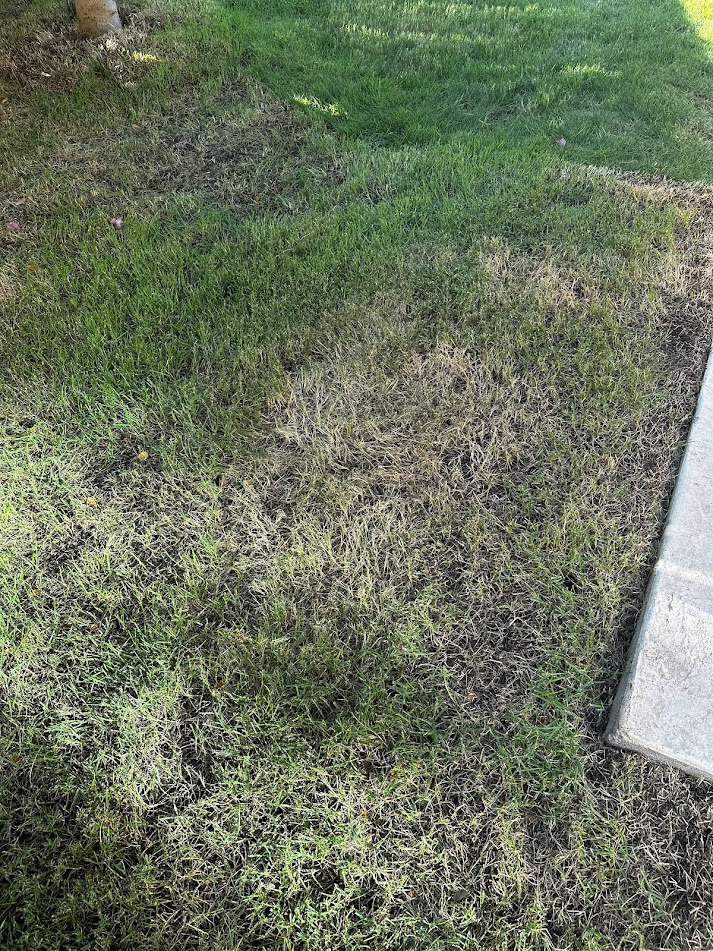
Grubs are one of the most common hidden threats to North Texas lawns. These beetle larvae feed on grassroots, causing:
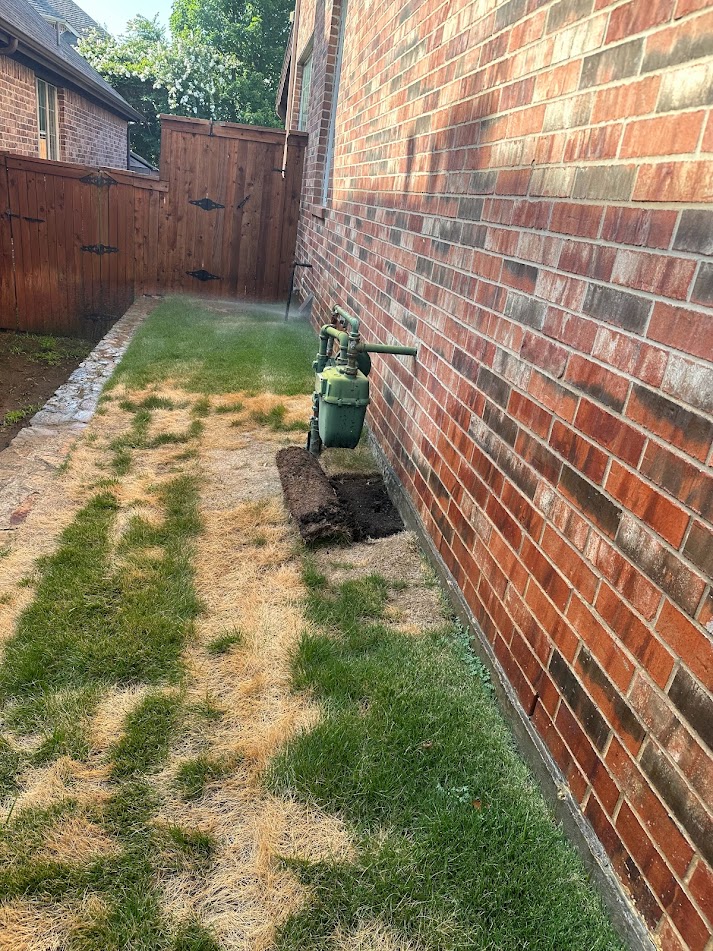
Brown patches that lift easily like carpet
Thinning grass
Increased activity from birds or armadillos digging
When to Apply Grub Prevention
Late winter to early spring is an excellent time to apply a preventative grub treatment, before eggs hatch and damage begins.
Why Prevention Matters
Once you see damage, the root system may already be compromised. Preventative treatment protects your lawn’s root structure before peak growing season.
If you’ve had grub issues in the past, proactive care is critical.
Watering During Transition: Less Is More
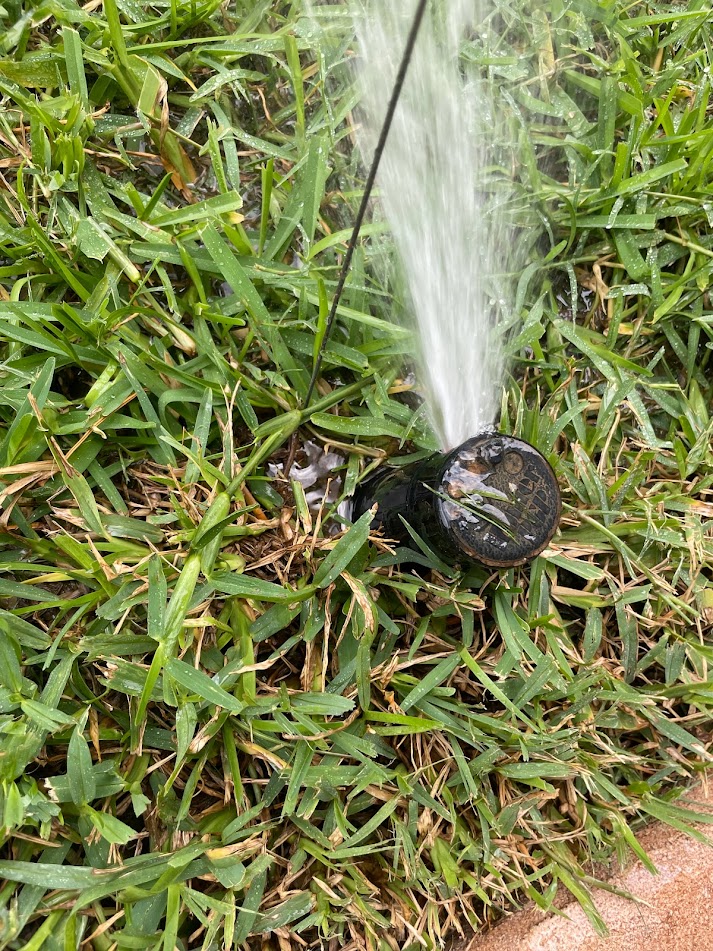
One of the most common mistakes we see is overwatering too early.
When grass is still partially dormant:
Roots are not actively absorbing large amounts of water
Excess moisture can promote fungus
Water waste increases
Smart Watering Guidelines for Early Spring:
Water only if we experience extended dry periods
Provide about ½ to 1 inch per week once active growth begins
Inspect and test your irrigation system before peak season
North Texas weather can fluctuate dramatically in late winter. Adjusting your watering schedule gradually prevents stress and conserves water — something we prioritize in every Smart Yard design.
Clear Out Dead Leaves and Acorns
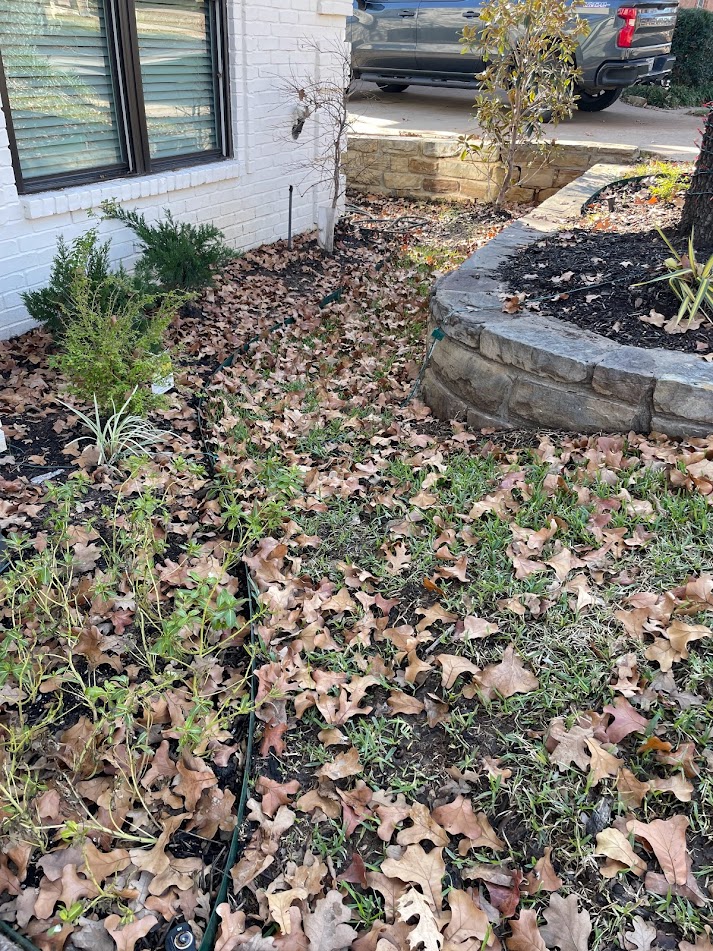
Oak trees are beautiful — but acorns and leaf buildup can cause problems if left sitting too long.
Why Cleanup Matters:
Thick leaf layers block sunlight
Trapped moisture can create fungal issues
Acorns can prevent new grass growth
Debris invites pests
Light raking or professional cleanup allows sunlight and airflow to reach the soil just as your lawn needs it most.
Be gentle — aggressive dethatching too early can damage turf that’s still waking up.
Avoid These Common Early Spring Mistakes
- ❌Heavy fertilizing before consistent green-up
❌ Overwatering dormant grass
❌ Ignoring grub prevention
❌ Scalping the lawn too early
❌ Letting debris suffocate new growth
Timing is everything.
A Smart Start Means a Stronger Summer
The few weeks between winter dormancy and full spring growth are critical for long-term lawn health. Taking preventative steps now protects your investment and reduces costly problems later.
At Smart Yard, we specialize in proactive, water-efficient landscape care designed specifically for North Texas conditions. Whether it’s seasonal lawn treatments, irrigation adjustments, or full landscape upgrades, we help homeowners protect and elevate their outdoor spaces year-round.
If your lawn didn’t perform the way you hoped last year, now is the time to correct it — before summer heat arrives.